
Bring the land, plans, or idea. We will help you move from budget to build.
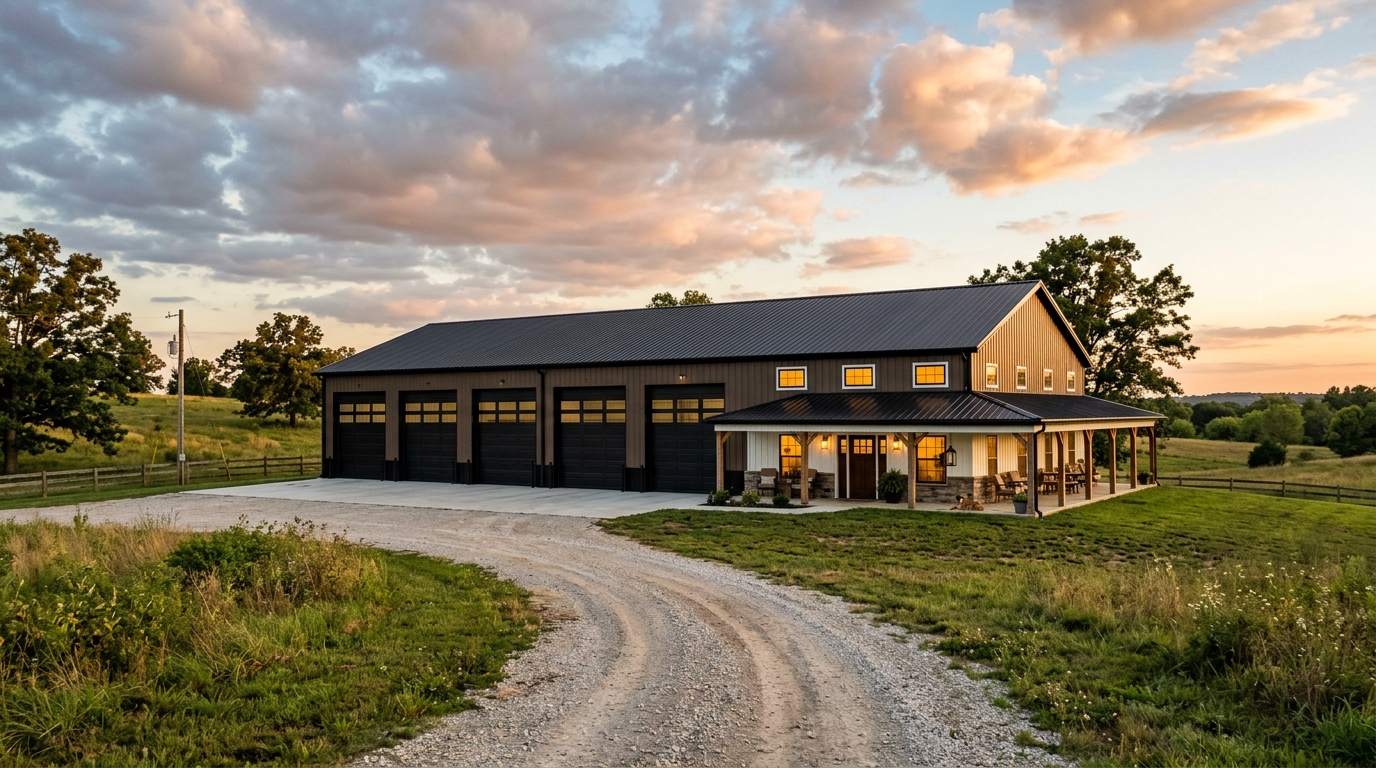
Construction loans are the standard financed path for ground-up homes. Additions and improvements can use renovation mortgages, home equity, or unsecured project loans. Every financed project must have a draw schedule that supports materials and phase obligations before construction is scheduled.
 HFS Financial
 Acorn Finance
Our construction price carries a $0 financing markup. HFS Financial and Acorn Finance are independent resources. Their platforms and participating lenders control eligibility, availability, loan purpose, rates, fees, terms, funding, and approval.
Include the construction contract, land, site work, loan costs, taxes, insurance, and any appraisal gap.
Custom-home projects generally exceed $150,000 and begin with paid preconstruction. Existing usable plans, a current survey, or completed engineering can change the exact scope.
Shops, garages, and dried-in shells with a defined scope can move directly to the construction agreement. The direct-pay schedule is written into the contract.
We review the proposed draw schedule before accepting the construction contract. Scheduling begins after closing and confirmation that initial material and mobilization funds are available.
Start with lender prequalification, a parcel you own or have under contract, available cash or land equity, and a preliminary scope. Final underwriting usually reviews the land, appraisal, plans, specifications, builder, and draw schedule. Your lender sets the required down payment and treatment of land equity.
Common paths include cash, a HELOC, a home-equity loan, renovation financing, or an unsecured project loan. The signed construction contract states the deposit and milestone schedule. Any lender disbursement requirements are written into the contract.
Most custom homes begin with a $12,500 preconstruction agreement credited fully toward the build. Before signing, we review any usable plans, current survey, or completed engineering and tailor the agreement to the remaining work. Addition fees and deliverables are written for the specific scope.
Direct-pay shops, garages, dried-in shells, and similar plan-ready projects use a 40% construction deposit followed by milestone payments. New homes usually complete preconstruction first. Lender-financed projects use the approved payment schedule written into the contract.
Construction scheduling begins after the loan closes, the lender approves the builder and the project, and the initial project funds are available. Material orders and trade reservations follow that funding confirmation. Each draw must support the supplier and subcontractor obligations for its phase.
You can start with a parcel you own, a parcel under contract, or land you are evaluating. Send the address or parcel number so we can identify access, utilities, drainage, setbacks, and likely site-work questions. Ask your lender how a lot purchase and land equity fit its program.
The lender and appraiser determine value from the property, plans, specifications, and available comparable sales. A lower appraisal can create a cash gap. The builder packet documents the proposed home, contract scope, specifications, and price for that review.
The construction price follows the confirmed plans, site, scope, selections, and signed agreement. The lender separately identifies its rates, fees, closing costs, draw requirements, and approval terms.
Provide the project type, county, land status, lender status, and expected financing. We will identify the project documents available and any information required before preconstruction. The optional $500 reservation records scheduling priority, remains refundable before the build contract, and credits toward the contract price when you proceed.
Start my financed build request